

When Adult Children Become Caregivers: The Relationship Shift Nobody Talks About
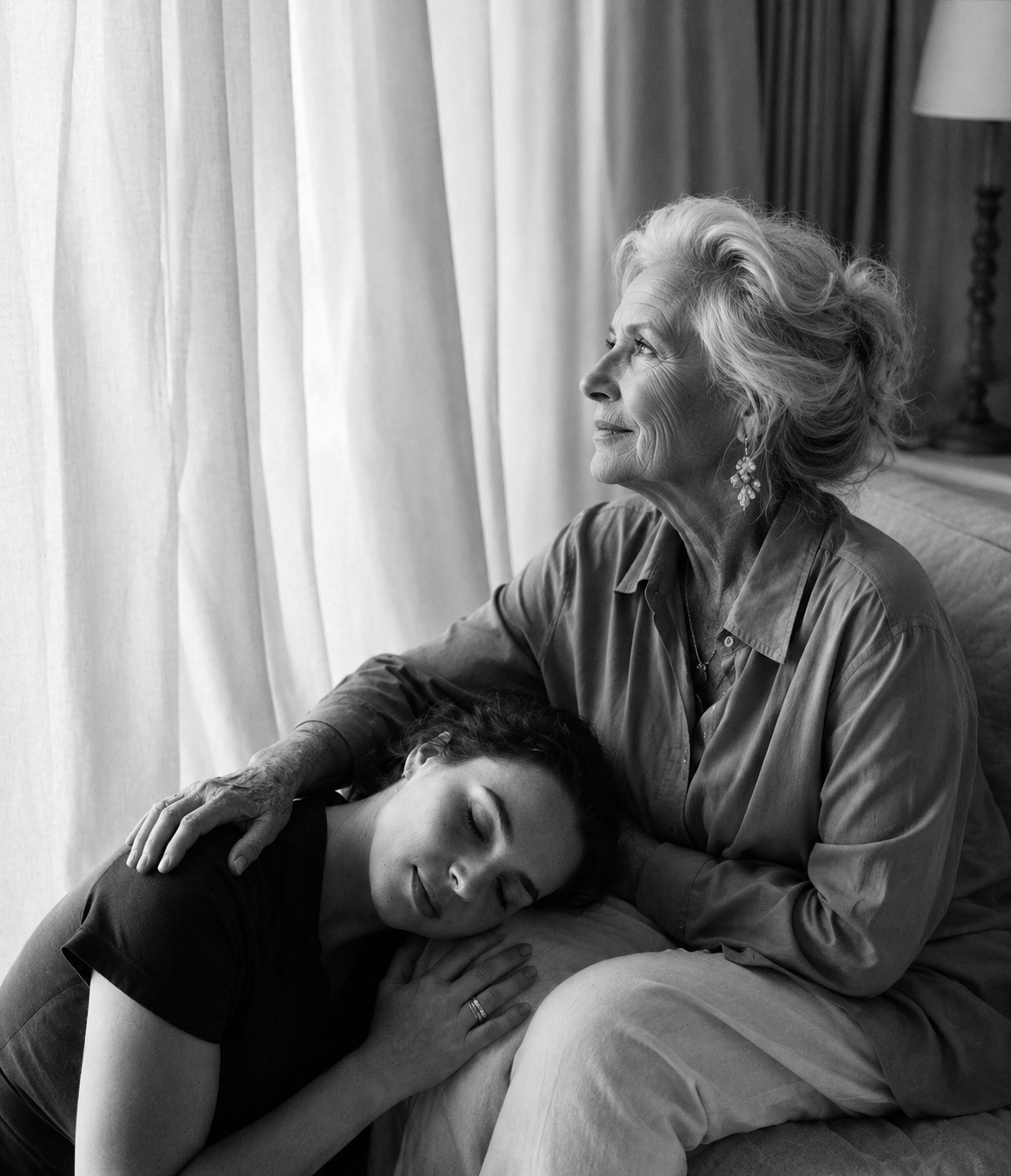
Nobody warns you that it will happen gradually.
First, you start making a few more phone calls. Checking in a little more often. Driving to appointments when you can. Small things. Easy things. Things that feel like love, because they are.
Then one day you look up and realize you are managing medications, coordinating specialist visits, worrying through the night, and fielding calls about things that used to just take care of themselves.
You became a caregiver. And somewhere in the middle of all of it, something quietly shifted between you and your parent.
Most families don't talk about this part. But it deserves to be named.
The Role Reversal Nobody Warns You About
There is a term for what happens when adult children step into the primary caregiving role for aging parents. Researchers call it role reversal. The name is accurate but it doesn't quite capture what it feels like from the inside.
Because it isn't just logistical. It is emotional. It changes how you sit with each other in a room. It changes what you talk about and what you avoid. It changes the way your parent looks at you sometimes with gratitude, yes, but also with something that looks like grief.
They didn't plan for this either.
Studies suggest that nearly one in five adult children in the United States is now providing some level of care for an aging parent. Many of them are doing it while holding down careers, raising their own children, and managing households of their own. The weight of it is real. And it is rarely acknowledged for what it is.
What Gets Lost Along the Way
When you step into the caregiver role, the relationship that held you both can start to feel different.
You are still their child. They are still your parent. But the dynamic has quietly changed.
Conversations that used to be easy now have an undercurrent of responsibility. Sunday dinners feel like wellness checks. A quiet afternoon together comes with a mental checklist running in the background. The ease of just being in each other's company without agenda, without worry begins to fade.
Your parent may start to feel like a burden, even if they never say so. They may pull back a little. Resist help they actually need. Try to protect you from the weight of it, because protecting you is still the job they know how to do.
And you may find yourself grieving a relationship that is still right in front of you. Still alive. Still full of love. But changed in ways that are hard to explain to anyone who hasn't lived it.
The Guilt Adult Child Caregivers Carry
Here is the part that almost never gets said out loud.
Many adult children who are caregiving feel a quiet grief over the relationship that is shifting. And then they feel guilty for feeling it.
Because how do you admit that you miss just being someone's child? When they need you so much?
You don't bring it up at Thanksgiving. You don't post about it. You carry it quietly and show up anyway, because that is what love does.
But the feeling is real. And it deserves to be named.
Wanting your relationship back, the one where you were simply their child and they were simply your parent, is not selfish. It is one of the most human things there is. And it does not mean you love them any less. It means you love them enough to feel the weight of what has changed.
What It Looks Like When the Balance Returns
When the daily caregiving weight lifts, something else becomes possible.
You walk through the door differently. There is no mental checklist. No quiet dread about what you might find. You sit down and you are just in each other's company again.
Your parent gets to be the parent again. Present. Warm. No longer watching your face for signs of exhaustion or sacrifice on their behalf.
And you get to be their child again. Just their child.
Not the one who manages the care. Not the one who tracks the prescriptions or coordinates the transportation or stays up wondering if they are okay. The one who shows up because you want to be there. Because being together is still something to look forward to.
That is what most families are actually looking for when they start thinking about senior living options. They don't always have words for it. But that is the thing.
How Boutique Assisted Living Can Help Restore That Balance
At Belleston, we think about this a lot.
Our role is a straightforward one: step gently into the daily care so families don't have to carry it alone. The medications. The monitoring. The middle-of-the-night concerns. The coordination that quietly consumed your weekends and your mental space.
When Belleston holds that, something shifts back.
Your parent gets to be cared for by people who actually know them. Not rotating staff reading a file. People who know their name, their preferences, their history, and what makes a good day feel like a good day for them specifically.
And you get to be the one who visits. The one who sits with them over coffee. The one who calls just to hear their voice, not to check a box.
We are boutique by design. Thirty-two residences in Plymouth, Minnesota, small enough that everyone is known. Founded by a registered nurse and a physician who spent their careers at the bedside and built Belleston because they believed senior care could be done with more warmth, more intention, and more genuine human connection.
If your family is navigating this transition, if you are somewhere in the middle of that quiet shift and starting to wonder what comes next, we would love to talk.
The waitlist for Belleston is open now. We open Fall 2026.
You can begin the conversation at belleston.com.